Research / Our program

EL PASO, TEXAS

State. Experience.
The next response.

We investigate how a system’s history changes its next response.

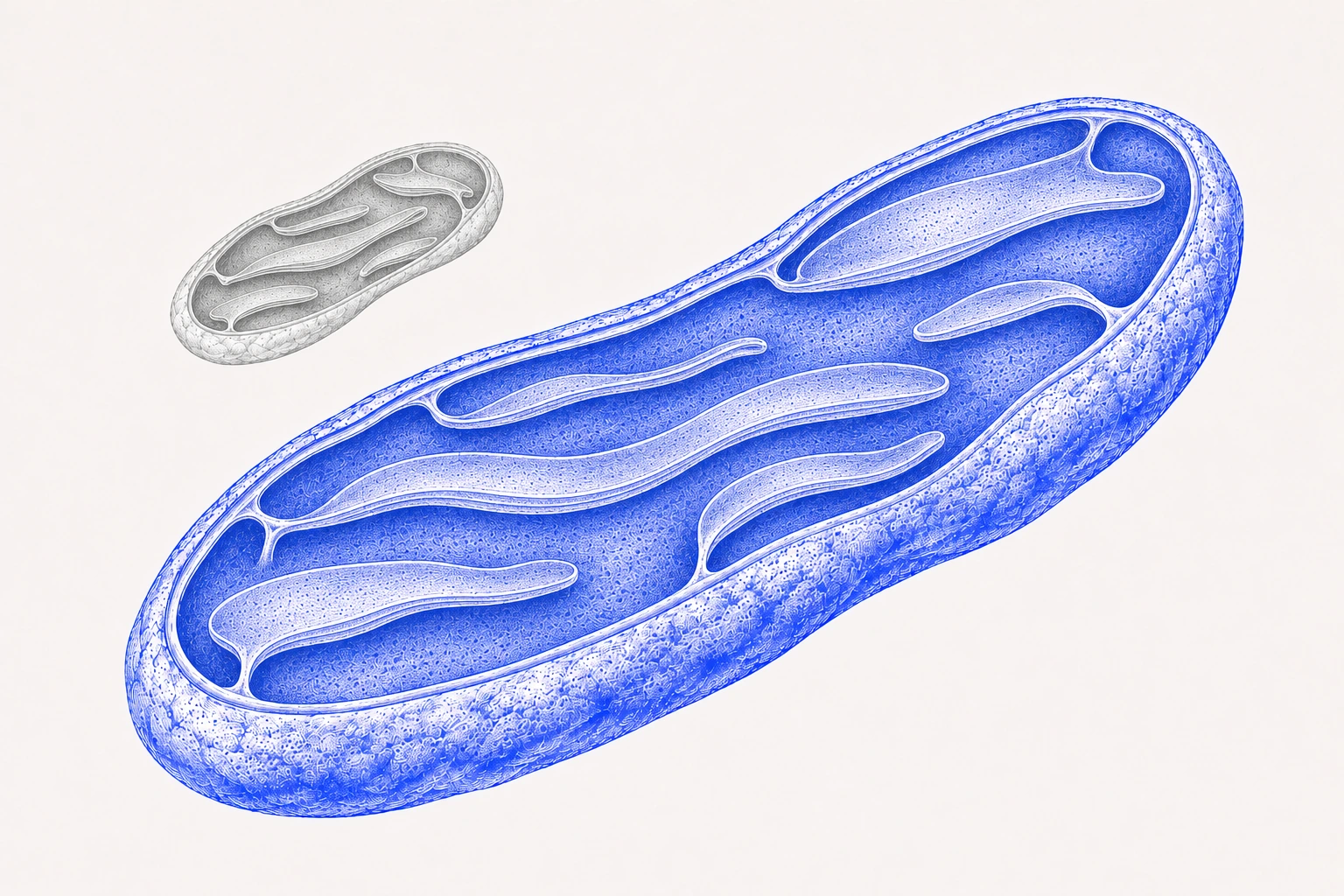
Our program targets the architecture of sleep, adaptation to changing consequences, and what persists after mitochondrial stress. We build computational analyses and experimental designs around the mechanisms that could explain these changes.

Explore current work
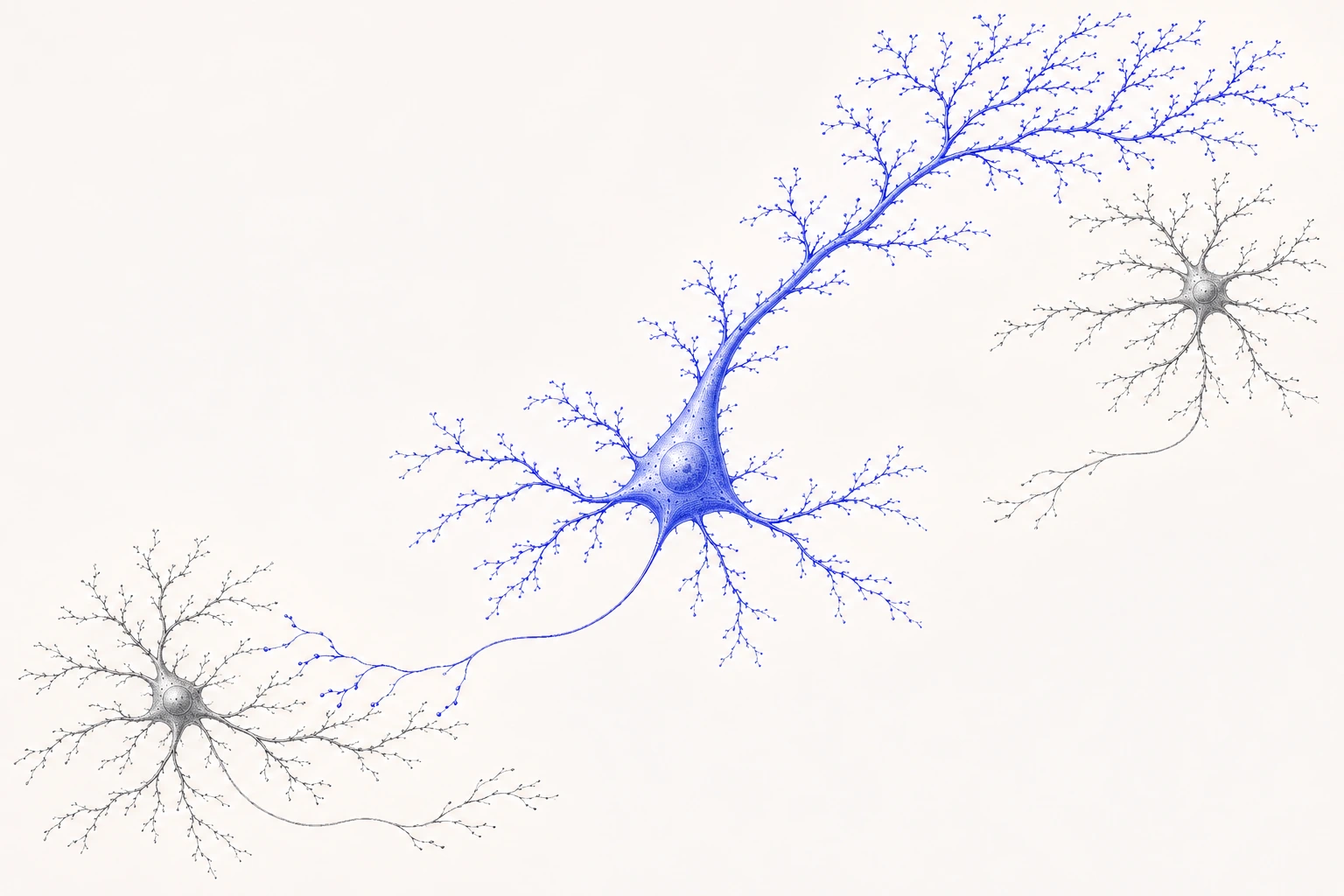
Editorial illustration of three separate neurons, including a central blue pyramidal form with a thin branching axon and discrete terminals
01 / 04

Cells. Circuits.
Cognition. Behavior.

Illustration · not to scale

Scope of the program

From cells
to behavior.

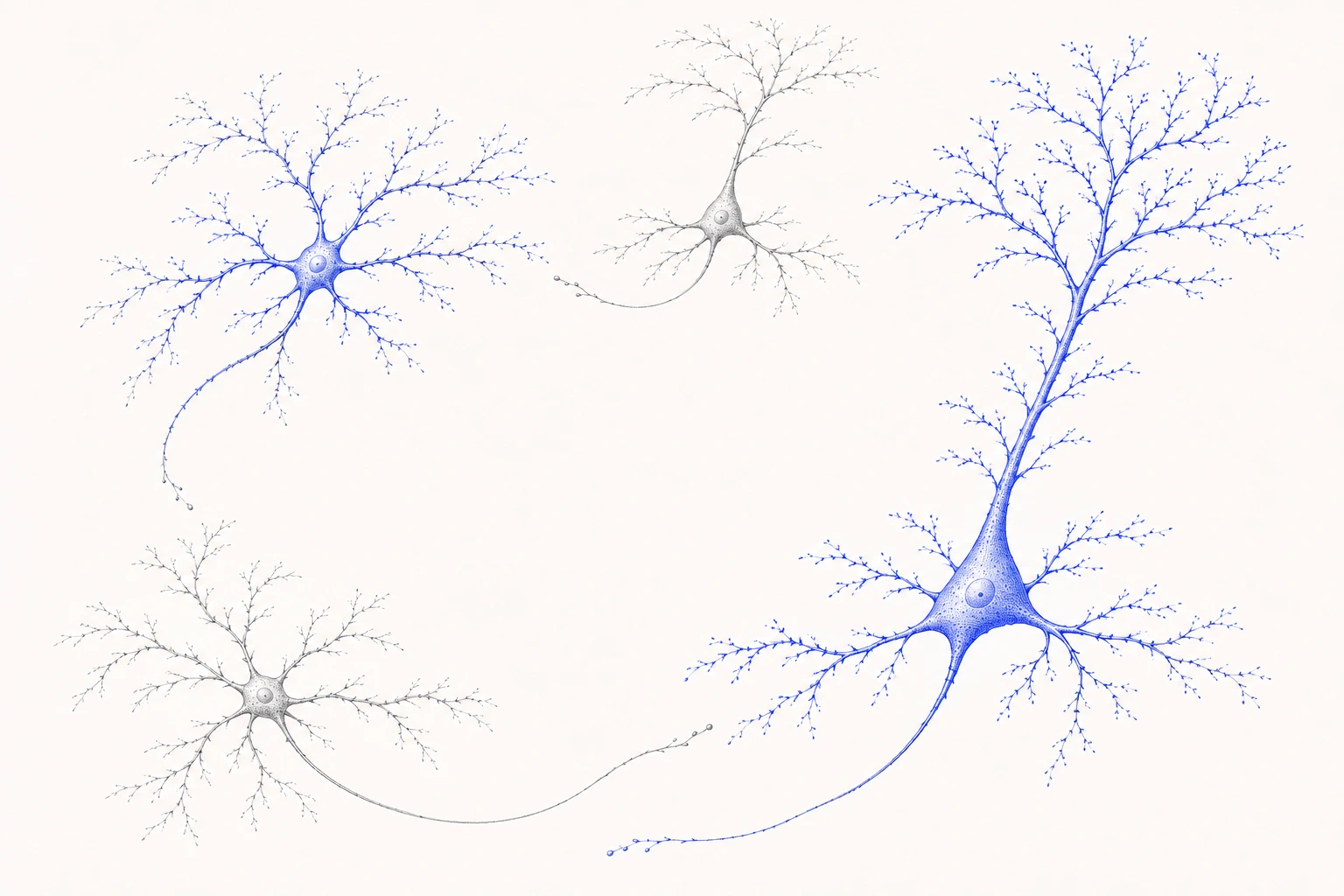
Our goal is to trace how cellular change alters neural activity and behavior. Each connection becomes a prediction to test with the right measurement and intervention.

Research focus

Which circuit mechanism could explain the behavior?

A behavioral transition provides a phenomenon to explain. Neural recordings can relate activity to behavior; targeted perturbations can test a proposed causal role, with controls for sensory and motor effects.

An open question

What additional observation or intervention would distinguish competing circuit explanations?

Our sleep work targets the behavioral patterns a circuit account must explain. Neural recordings and targeted interventions would test the next link.

Sleep & biological rhythms
Methods in practiceSame total. Different story.Change a record. See what the summary leaves out.Open the Pattern Lab

Research in progress

Three questions.
A research program.

Follow each project from its biological question to the comparison that can answer it. The dossiers connect scientific foundations, work underway, and the next experiment.

03 / 03 workstreams

Current research focus

How the work
advances.

Three forms of work move the program forward: extract a temporal pattern, design a discriminating experiment, and build the assay needed to test it.

Computational research
Map sleep dynamics from existing activity records. Reconstruct the scoring rule, compare timing and transitions, and test the sensitivity of the result. The next output is an analysis that links each estimate to source records, independent animals, and uncertainty.
Experimental design
Build a test of behavioral adaptation. Select the task and manipulation, define the control conditions, and make competing explanations predict different outcomes. The next output is a study design with a primary comparison and an analysis tested on simulated cases.
Assay development
Develop the AR-MEM test of stress history and later response. Define exposure removal, recovery criteria, challenge timing, and independent replication. The next output is a protocol ready for pilot work; original experiments remain in development.
Research collaboration

Build the
next test.

Bring a time-resolved dataset, a validated method, or a competing explanation. Help advance a specific question about sleep, adaptation, or recovery.

Discuss a collaborationResearch notes and methods